
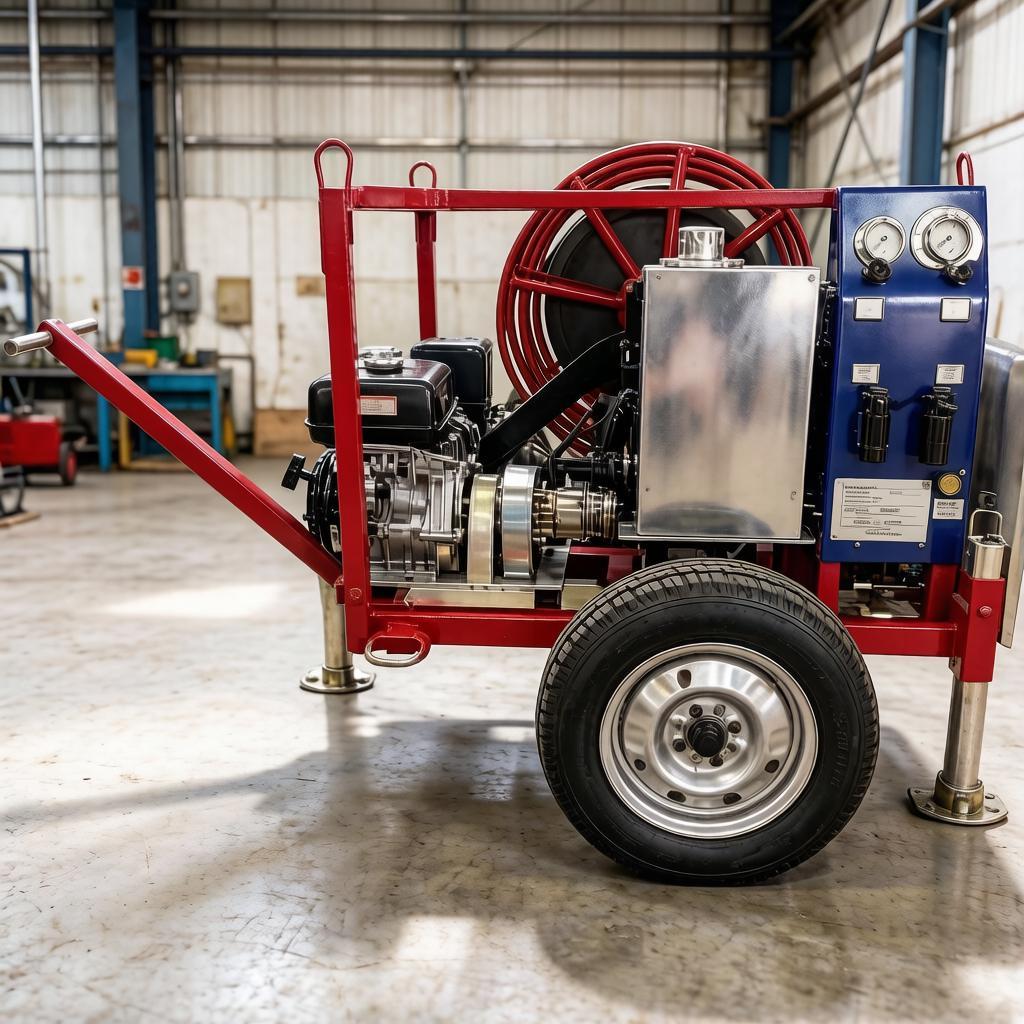
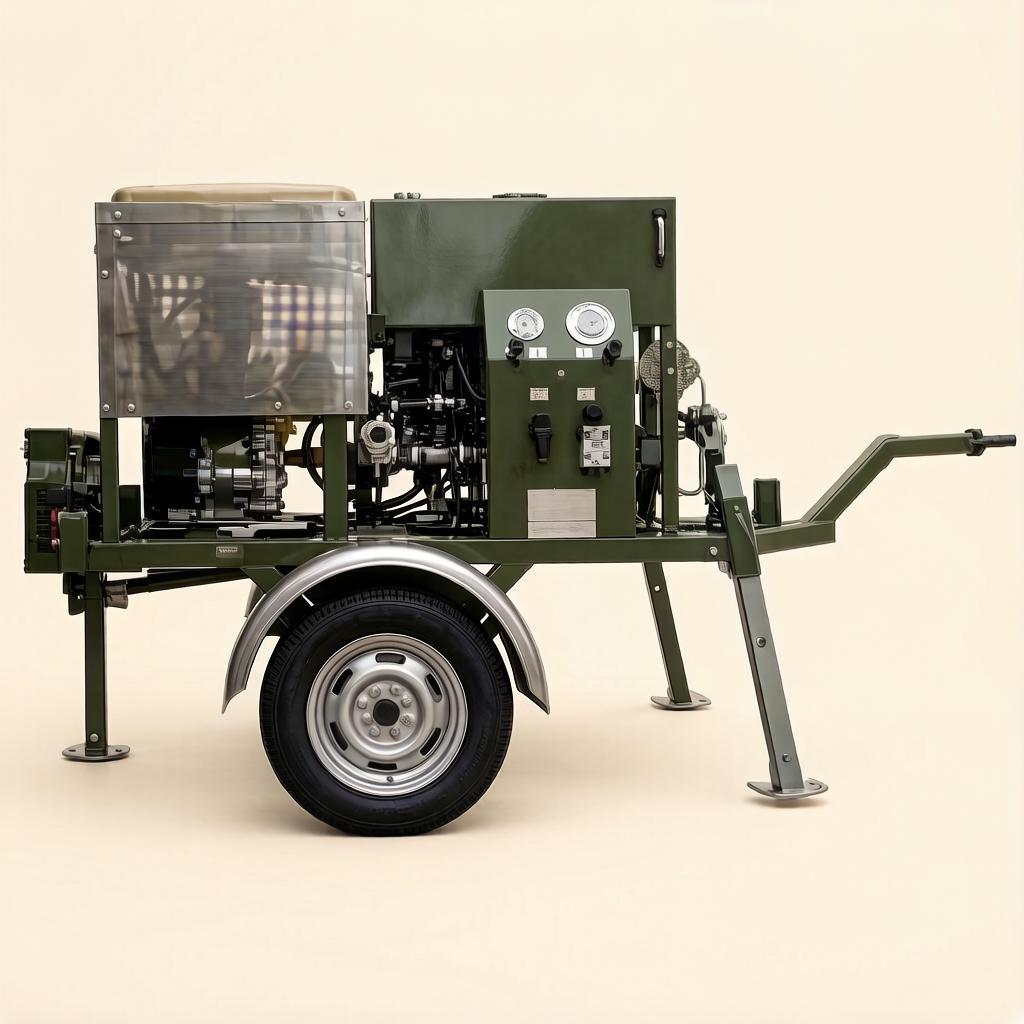
LSI.15T 15 kN hydraulic cable trench winch
LSY.15T 15 kN hydraulic cable trench winch
Maximum traction force: 15 kN (1.5 tons)
Speed at maximum traction force:
Maximum speed:
Traction force at maximum speed:
Engine: Kohler gasoline engine
Hydraulic cable winch drive, without chains, hydrostatic drive, long cable length on the receiving drum,
Controlled and adjustable traction force
Chassis: single-axle chassis, on the frame
Steel cable drum capacity: up to 1000 m
Cable length included: 500/1000 m
Industrial parameter logger for winch operation modes — AVAILABLE (*option)
Color: red
Support elements: available (retractable elements)
Elements for securing the winch: available (ring bolts)
Climatic design (water resistance, dirt resistance, frost resistance) of the winch, all elements and devices
Hydraulic oil cooling system (radiator)
Описание
Cable capstan winches are designed for laying cables (power, copper, communication cables, cross-linked polyethylene) and pipelines in open trenches and cable ducts.
Winches with wheel capstans are specially engineered for pulling a wide range of cables. The machines meet all technical requirements for underground cable pulling. The capstan has grooved wheels that transmit the pulling force to the cable, pulling it forward. The accumulator drum is non-tensioned, which offers several advantages: the pulling speed does not depend on the amount of cable and cable on the drum; the grooves match the cable diameter, preventing damage and extending cable life; the capstan drums are heat-treated and durable. The cable is stored on the drum without tension. An automatic cable unwinder neatly coils the cable. Storing and securing the cable on the drum are simple and reliable. The tension and speed are constant during operation. If there is no tension on the cable, the winch automatically stops pulling, simplifying operation. The machine maintains a preset maximum tension and does not exceed it. Easy to operate. Precise and gentle cable laying. We use only the latest technologies in our cable laying winches! High quality is a hallmark of our products. Winches are easy to control.
Main parameters include maximum pulling effort, pulling speed at maximum tension, and maximum speed.
Standard cable length for pulling: 500 or 1000 meters.
Fully autonomous.
Lightweight and compact design allows operation in confined spaces.
The pulling process is stable due to a fixed cable entry point.
Special rollers prevent cable wear during pulling.
Maximum tension is set on the winch, preventing cable damage from over-tensioning.
Automatic constant tension regulation.
You set the tension, and the machine handles the rest.
Hydraulic winch for laying and pulling cables in trenches.
The LSИ.15T winch is equipped with the most advanced computerized load control system, capable of recording all data for each pulling stage and printing or storing it. (optional)
Cable laying in pre-prepared trenches is governed by general rules. Following these rules ensures cable integrity, electrical safety, and mechanical strength per manufacturer standards. JSC “SI” recommends using hydraulic trench cable winches of series LSИ.Т for cable laying and pulling.
Allowed bending radii for cables: excessive bending increases the risk of damage. Excessive bending can compromise cable insulation, especially at temperatures below 10°C. It is important to follow the permitted bend radii.
The device regulations specify the allowable cable bend radii, expressed as the ratio of the inner curve radius to the outer cable diameter. For paper-insulated cables, this ratio is 25 (single-core) and 15 (multi-core in lead sheath). The sheath can also be aluminum. Rubber or plastic insulated cables should have a ratio of 10. If plastic-insulated cables are laid at temperatures below 10°C, the bend radius should be 15 times the outer diameter.
For cable laying, use rollers and mechanisms recommended in the SI product catalog.
Permissible level differences: when laying paper-insulated cables, a height difference of up to 25 m is acceptable, with voltages up to 3 kV, on vertical and inclined sections.
Work procedures for moving and distributing cables along the route.
All cable installation and laying work must be performed by qualified personnel under the supervision of a specialized company, which must provide all necessary equipment, transport, and tools, and ensure ongoing staff training.
There are no restrictions on cable insulation installation in documents, beyond standard power cables. All requirements for polymer-crosslinked insulation apply equally to oil-filled paper-insulated cables with metallic sheaths.
Manual installation remains the most common method of cable laying. For polyethylene cross-linked cables, tensioning forces are strictly controlled—using transport for line pulling is prohibited because trucks or tractors pulling the cable with excessive force can cause damage (breaking wires, damaging protective tapes, stretching insulation, causing cracks). Damage may not be evident before burying the trench, but will manifest later, leading to costly repairs or replacements.
To ensure proper tension during cable pulling, hydraulic tension winches are used. If the required pulling force exceeds permissible limits, two such winches plus a tensioning device should be used to support the cable centrally.
How cables are laid in trenches:
Single-phase cables are laid either in a row or in a triangle; the latter is more common due to symmetry, minimized inductive losses, and minimal EMF on screens. In urban environments, this method saves space—up to six cables per trench. Triangular arrangement allows for 18 single-phase cables or only two three-phase lines (or six single-phase cables) in flat layouts.
In cramped spaces where two lines are laid side by side, and to prevent damage during short circuits, vertical concrete slabs are used to separate cables. Steel conduits are filled with concrete inside to prevent rust and collapse.
Personnel are prohibited from working within the section of the trench where the pulling cable is deployed, to ensure safety against the risk of cable rupture and injuries.
When laying cables in trays for phase grouping into a triangle, plastic clamps are used; they must be non-magnetic.
Ensure that cables on rollers are not stored for more than three hours.
Похожие
-
Gasoline mechanical cable winch LSИ.15МЕХ
Gasoline mechanical cable winch LSИ.15МЕХ Gasoline mechanical cable winch LSИ.15МЕХ with capstan drive The winch’s pulling force is 15 kN or 1.5 tons (1500 kg) The gasoline drive of the winch provides complete operational autonomy. Mobile, lightweight, reliable, and modern cable winches with internal combustion engines allow for a wide range of cable laying capabilities. -
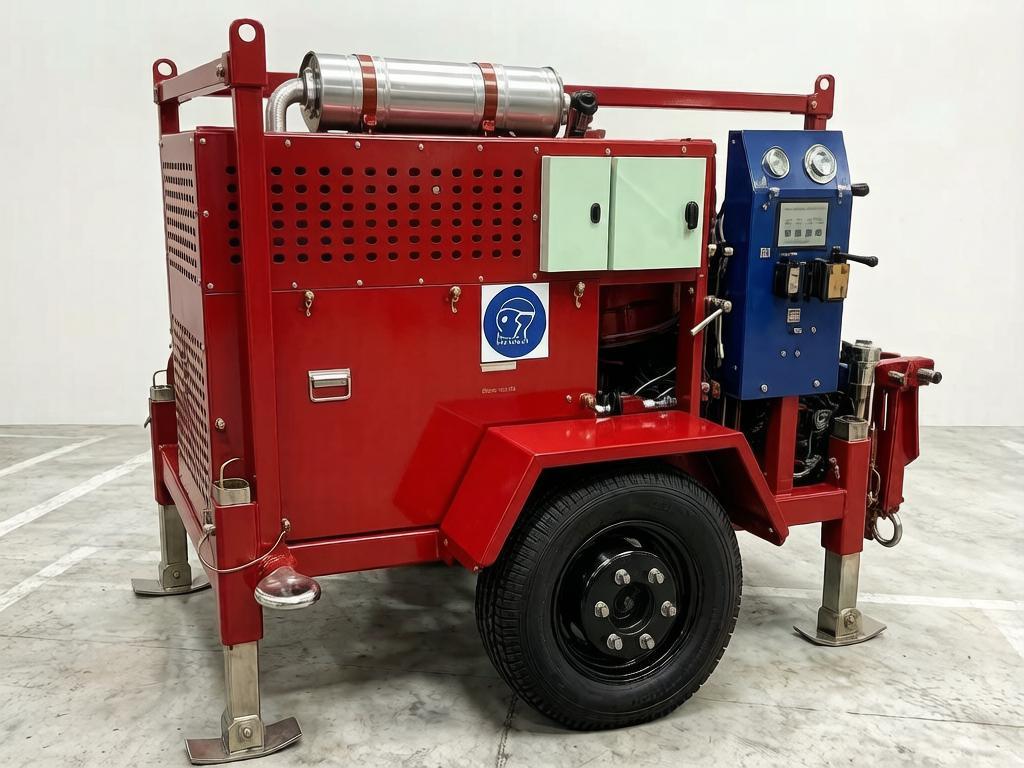
Hydraulic cable trench winch LSИ.35Т 35 kN
Hydraulic cable trench winch LSИ.35Т 35 kN (3.5 tons) Technical specifications:Oil radiator equipped with an automatic fan. Protective cover in body color and mesh – standard configuration.•Maximum pulling force: 35 kN (3.5 tons)•Speed at maximum pulling force:•Maximum speed:•Pulling force at maximum speed:•Engine: Gasoline or Diesel internal combustion engine•Hydraulic drive•Controlled and adjustable traction force•Chassis: single-axle truck chassis (provides good maneuverability)•Steel cable drum capacity: up to 1000 m•Cable length in kit: 500/1000 m•Industrial parameter recorder for winch operation modes – AVAILABLE (*optional)•Paint color: green•Support elements: present•Winch fixation elements: present•Climatic performance (waterproof, dirt-resistant, frost-resistant) of the winch and all components and devices
Отзывы
Отзывов пока нет.